A Complete Guide to Getting Started with Trezor: A Step-by-Step Setup
In an era where digital currencies are revolutionizing finance, securing your crypto assets is more important than ever. Among the many ways to store cryptocurrency, hardware wallets like Trezor stand out as one of the safest options. Trezor, developed by SatoshiLabs, provides a secure and reliable method for managing cryptocurrencies offline, keeping your private keys safe from hackers and online threats.
This guide will walk you through everything you need to know to get started with Trezor—whether you’ve just bought one or are considering doing so. We’ll cover everything from setting it up for the first time to the best practices for keeping your crypto assets safe.
What is a Trezor Wallet?
A Trezor wallet is a hardware wallet designed to store your private keys offline, ensuring your cryptocurrency is safe from cyber threats. Unlike software wallets, which store your keys on your computer or mobile device (making them vulnerable to malware), hardware wallets like Trezor keep your keys on a physical device. This is what makes them so secure: even if your computer is compromised, your crypto assets remain protected.
Trezor supports a wide range of cryptocurrencies, including Bitcoin, Ethereum, Litecoin, and many altcoins. Trezor hardware wallets are small, portable devices that connect to your computer or smartphone via USB, providing an easy way to access and manage your crypto securely.
Why Choose Trezor?
There are several reasons why people prefer using Trezor over other types of wallets:
Security First: Your private keys never leave the Trezor device. The device itself is protected by a PIN code and a recovery seed (a backup phrase) that allows you to restore access if the device is lost or damaged.
Multi-Currency Support: Trezor supports a wide variety of cryptocurrencies and tokens, making it versatile for any crypto holder.
Easy to Use: Trezor has a simple user interface. It integrates with Trezor Suite (their desktop software) and Trezor Bridge (web interface), both of which are designed for ease of use.
Physical Security: Trezor hardware wallets come with tamper-proof seals to prevent unauthorized access.
Setting Up Your Trezor Wallet: A Step-by-Step Guide
Now that you understand the basics of Trezor and its benefits, let’s walk through the setup process. Whether you’re setting up your wallet for the first time or resetting it, these steps will guide you to secure your crypto assets.
Step 1: Unbox Your Trezor Wallet
When you receive your Trezor wallet, carefully unbox it. Ensure the packaging is sealed and hasn’t been tampered with. The Trezor team places a strong emphasis on physical security, so tampering with the box is a red flag.
Inside the box, you’ll find:
The Trezor hardware wallet (either Trezor One or Trezor Model T, depending on your purchase)
A USB cable to connect the device to your computer or mobile device
A recovery seed card (extremely important for backing up your wallet)
A manual with basic instructions
Stickers and other small items
Step 2: Install the Necessary Software
To begin using your Trezor wallet, you’ll need to install some software. Trezor provides two options for interacting with your wallet:
Trezor Suite: A desktop application that provides a comprehensive interface for managing your cryptocurrency. It allows you to check balances, send transactions, and manage multiple accounts.
Trezor Bridge: A lightweight web interface that can be used to manage your wallet directly from your browser.
Both options are available for download from the official Trezor website: https://trezor.io/start.
To begin:
Go to the Trezor website and download either Trezor Suite (for desktop) or Trezor Bridge (for web).
Follow the on-screen instructions to install the software.
Step 3: Connect Your Trezor Device
Once you’ve installed the necessary software, plug your Trezor device into your computer using the provided USB cable. You should immediately see the device’s screen light up, prompting you to start the setup process.
Step 4: Set Up Your PIN Code
The next step involves setting up a PIN for your Trezor device. The PIN code is essential because it adds an extra layer of protection for your wallet. Whenever you connect your Trezor, you’ll be required to enter your PIN before accessing your funds.
When prompted, choose a secure PIN. Trezor allows you to pick a 4-9 digit PIN.
Make sure the PIN is not easily guessable. Avoid common combinations like "1234" or "0000." A unique combination ensures better protection against unauthorized access.
Step 5: Write Down Your Recovery Seed
This is the most critical step in securing your wallet. Trezor will generate a recovery seed—a list of 12 to 24 words that serve as a backup in case your device is lost, stolen, or damaged.
You’ll be shown a list of words on the device screen. Write them down carefully on the recovery seed card provided in the box.
Do not store this seed phrase digitally (e.g., in email or on a computer), as it can be hacked.
Store your seed in a safe place, such as a fireproof safe or other secure location. Never share your seed with anyone. Anyone who has access to your recovery seed can access your funds.
Once you’ve written down the recovery seed, you’ll need to confirm the words in the correct order on your Trezor device to ensure you have backed it up properly.
Step 6: Confirm and Complete Setup
Once your PIN is set up and your recovery seed is written down and confirmed, your Trezor wallet is ready for use. At this point, you can:
View your cryptocurrency balances through Trezor Suite or Trezor Bridge.
Send and receive funds by generating wallet addresses and completing transactions directly on the device.
You can add as many cryptocurrencies as you like to your wallet, and the device will generate the appropriate addresses for each coin.
Using Your Trezor Wallet
Once the setup is complete, you can use your Trezor wallet to send and receive cryptocurrency securely.
Sending Cryptocurrency
To send cryptocurrency, follow these steps:
Open Trezor Suite or Trezor Bridge.
Select the cryptocurrency you want to send (e.g., Bitcoin, Ethereum).
Enter the recipient’s wallet address (be sure to double-check this address to avoid sending funds to the wrong place).
Enter the amount you want to send.
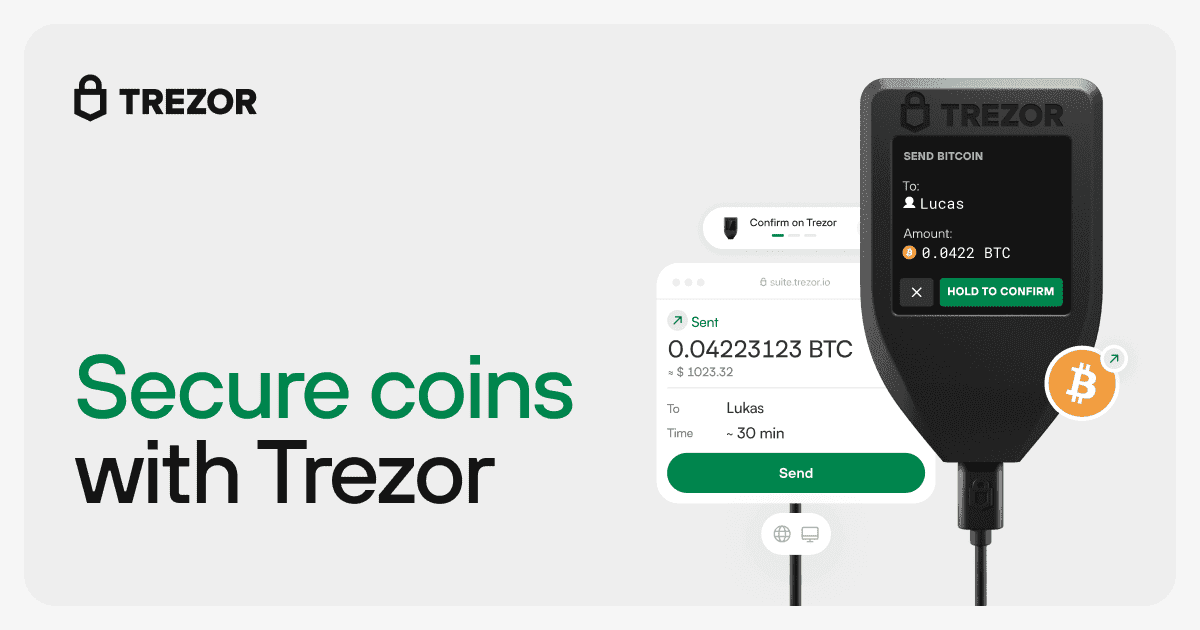
Confirm the transaction by physically pressing the buttons on your Trezor device. This ensures that no one can send funds without your approval.
After confirming the transaction, your funds will be transferred to the recipient.
Receiving Cryptocurrency
To receive cryptocurrency, follow these steps:
Open your wallet in Trezor Suite or Trezor Bridge.
Select the cryptocurrency you wish to receive.
Click on the “Receive” button to generate a new address.
Copy the address and share it with the person who will be sending you funds.
Once the transaction is confirmed on the blockchain, your funds will appear in your Trezor wallet.
Advanced Features and Security Tips
While the basic setup and use of Trezor are straightforward, there are a few advanced features and security tips that can enhance your wallet’s protection:
1. Enable Passphrase Protection
A passphrase acts as an additional password on top of your recovery seed. It is a great way to increase the security of your Trezor wallet. If you enable passphrase protection, anyone who tries to restore your wallet without the passphrase won’t be able to access your funds.
2. Enable Two-Factor Authentication (2FA)
For an extra layer of security, Trezor also supports two-factor authentication (2FA) for accessing certain services, such as exchanges. This feature ensures that even if someone gains access to your PIN and recovery seed, they will still need a second factor to access your funds.
3. Use CoinControl and Privacy Features
Trezor’s advanced options allow you to manage the coins you use for transactions. With CoinControl, you can manually select which coins to use for a transaction, allowing you to better control your transaction fees and enhance your privacy.
Final Thoughts on Trezor: Your Secure Crypto Companion
Getting started with your Trezor wallet is simple, but understanding the importance of keeping your PIN and recovery seed secure is essential. By following the steps outlined above and making use of Trezor’s advanced security features, you can rest assured that your cryptocurrency is safe from hackers and online threats.