How to Get Started with Trezor: The Ultimate Beginner’s Guide
Cryptocurrency is taking the world by storm, and with that comes a need for strong security. If you're serious about keeping your digital assets safe, a hardware wallet like Trezor is one of the best tools out there. But setting it up might seem a little tricky at first. No worries—this guide will walk you through everything, step by step!
What is Trezor and Why Should You Use It?
At its core, Trezor is a hardware wallet. It’s a physical device that stores your private keys offline, meaning no one can access your funds without having the device itself. By using a Trezor wallet, you are taking your security into your own hands. It’s a much safer option than using software wallets, which are connected to the internet and more vulnerable to hacks.
Some reasons to choose Trezor:
Offline Storage: Your private keys are stored offline, making them harder to steal.
Wide Cryptocurrency Support: Trezor supports Bitcoin, Ethereum, Litecoin, and many other digital assets.
Backup and Recovery: If your Trezor is lost or damaged, you can recover your funds using a backup seed phrase.
How to Set Up Your Trezor Wallet
Ready to get started? Let’s dive into the setup process. Follow these easy steps to have your Trezor up and running in no time.
Step 1: Unbox Your Trezor
First, let’s unbox the Trezor device. Inside the box, you should find:
The Trezor device (either Trezor One or Trezor Model T)
A USB cable to connect it to your computer or phone
A recovery seed card (important for backing up your wallet)
A user manual with instructions
Important: Make sure the box is sealed and has not been tampered with. If there are signs of tampering, don’t use the device.
Step 2: Install Trezor Suite or Trezor Bridge
To use your Trezor, you’ll need to download the official software.
Go to the official Trezor website: https://trezor.io/start.
You can choose between Trezor Suite (a desktop app) or Trezor Bridge (a browser-based solution).
Download the software for your operating system (Windows, macOS, or Linux) and follow the instructions to install it.
Step 3: Set Up the Trezor Device
Once the software is installed, connect your Trezor to your computer using the USB cable.
Turn on your Trezor: Once you plug it in, the device will light up, and you should see a welcome message.
Choose Your Language: Select your preferred language from the list.
Set Your PIN: You’ll be asked to create a PIN for your Trezor device. This will protect your wallet from unauthorized access. Pick a PIN that’s easy for you to remember but hard for others to guess.
Step 4: Backup Your Recovery Seed
Now for the most critical part: your recovery seed. This 12 or 24-word phrase is your backup key to restoring your wallet if something happens to your Trezor.
Write down the recovery seed on the provided card. This is extremely important, so don’t skip it!
Store it somewhere safe, like a locked drawer or a safe. Never store your recovery seed digitally (no photos or notes on your computer), as hackers could gain access to it.
You’ll be asked to confirm the seed by entering the words in the correct order. This ensures you’ve backed it up properly.
Step 5: Set Up and Complete Your Wallet
Once your recovery seed is backed up, your wallet is almost ready to use.
Access Your Wallet: Open Trezor Suite or Trezor Bridge on your computer.
Choose a Cryptocurrency: Select the cryptocurrency you want to store, such as Bitcoin, Ethereum, or others. Your wallet will generate an address for each type of cryptocurrency.
Start Using Trezor: You can now send and receive cryptocurrency, view your balance, and manage your assets.
How to Use Your Trezor Wallet
Now that you’ve set up your wallet, let’s cover the basics of using it.
Sending Crypto
Sending crypto from your Trezor is simple:
Open your wallet in Trezor Suite or Trezor Bridge.
Select the coin you want to send (e.g., Bitcoin).
Enter the recipient’s address (double-check to avoid mistakes).
Enter the amount you want to send.
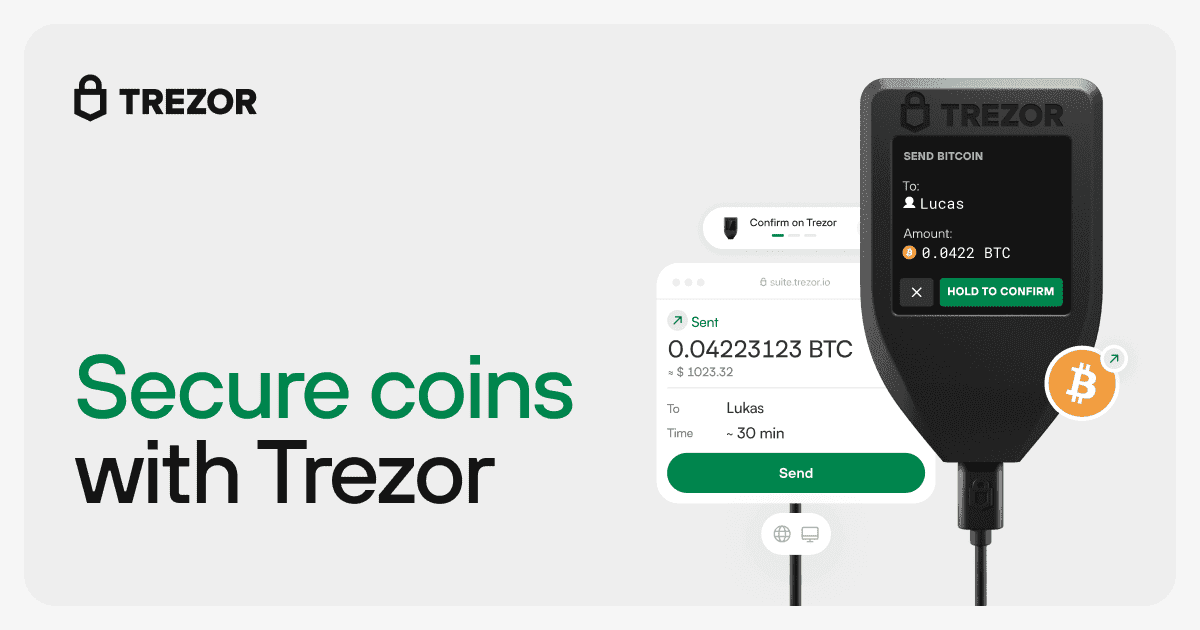
Confirm the transaction on your Trezor device by pressing the buttons on the device itself. This ensures that only you can authorize the transaction.
Receiving Crypto
To receive crypto, follow these steps:
Open your wallet and select the cryptocurrency you want to receive.
Click “Receive” to generate a new wallet address.
Share the address with the person sending you crypto.
Once the transaction is confirmed on the blockchain, your funds will show up in your wallet.
Advanced Features and Tips for Extra Security
While the basic setup is all you need to get started, there are a few advanced features that can improve your security.
1. Passphrase Protection
By adding a passphrase to your recovery seed, you add an extra layer of security. If someone has your recovery seed but not your passphrase, they won’t be able to access your funds.
2. Two-Factor Authentication (2FA)
For added protection, you can use 2FA on supported platforms like exchanges. This requires both your Trezor device and a second factor (like an app on your phone) to access your account.
3. CoinControl and Privacy Features
Trezor also offers CoinControl, allowing you to manually select which coins to use in transactions. This can help with privacy and even save on transaction fees.
Final Thoughts: Keeping Your Crypto Safe
Getting started with Trezor is straightforward, and it’s one of the best ways to secure your cryptocurrency. With your recovery seed safely stored, your Trezor device secure with a PIN, and the option to add passphrases or 2FA, you’ve taken solid steps toward protecting your assets.
Remember: your recovery seed is the key to your wallet. If you lose it, you lose access to your crypto. Keep it in a secure place, and always be cautious when sharing wallet information.
Now that you know how to set up and use your Trezor, you’re ready to dive into the world of secure cryptocurrency storage!