Getting Started with Trezor: A Simple Guide for Securing Your Crypto
Cryptocurrencies are becoming more and more popular, and while that’s great news for digital finance, it also means there’s an increasing risk of hackers targeting people’s funds. One of the best ways to keep your crypto safe is by using a hardware wallet, like Trezor.
Trezor is a device that allows you to store your cryptocurrencies offline, far away from any internet threats, giving you the peace of mind that your coins are secure. But if you’ve just gotten a Trezor wallet (or you’re thinking of getting one), you might be wondering how do you actually set it up? Well, don’t worry—this guide will show you exactly how to get your Trezor wallet up and running in no time!
What is Trezor and Why Should You Use It?
Before we jump into the setup process, let’s quickly talk about why you might want to use a Trezor wallet.
A hardware wallet like Trezor is a physical device that securely stores your private keys offline. Think of it as a super-secure USB stick for your crypto. Unlike software wallets that store your private keys on your computer (which can be hacked), Trezor keeps everything offline, so it’s safer from online threats.
Some reasons people choose Trezor:
Security: Trezor keeps your private keys offline, protected by encryption and a PIN.
Multi-Currency Support: Trezor works with Bitcoin, Ethereum, Litecoin, XRP, and many other cryptocurrencies.
Easy Setup: The setup is straightforward, and Trezor provides clear instructions for beginners.
Recovery: If you lose your Trezor, you can recover your funds using a recovery seed (a list of words that acts as a backup).
Now, let’s get started with setting up your Trezor.
Step 1: Unbox Your Trezor Wallet
So, you’ve just received your Trezor, and you’re ready to start. First thing’s first: unbox the device and make sure everything is sealed correctly. Trezor places a lot of focus on physical security, so if the box looks tampered with, you might want to reconsider using it.
In the box, you should find:
The Trezor device (either the Trezor One or Trezor Model T)
A USB cable to connect the device to your computer
A recovery seed card (more on this later)
A user manual with basic setup instructions
Step 2: Install the Trezor Software
To get your Trezor wallet working, you’ll need to install the necessary software on your computer or mobile device. Trezor offers two options to interact with your wallet:
Trezor Suite: A desktop app that lets you manage your crypto with an intuitive interface.
Trezor Bridge: A browser-based solution for quick access without needing to install a full application.
Both of these options are available for free on the official Trezor website: https://trezor.io/start.
Here’s how to install the software:
Step 1: Go to Trezor.io/start and download Trezor Suite (if you want a desktop app) or Trezor Bridge (for browser use).
Step 2: Follow the installation steps for your platform (Windows, macOS, Linux). The instructions are clear and user-friendly, so you shouldn’t run into any problems.
Step 3: Set Up Your Trezor Device
Now that you’ve got your software ready, it’s time to plug in your Trezor.
Plug in Your Trezor: Use the USB cable provided to connect your Trezor wallet to your computer.
Initialize the Wallet: Your Trezor will display a message asking you to start the setup process.
Choose Your Language: When prompted, select the language you prefer to use for the setup.
Step 4: Set Up Your PIN Code
Once your Trezor is connected, you’ll be asked to create a PIN code for security. This is like a password that protects your wallet.
You’ll choose a 4-9 digit PIN (make sure it’s hard to guess—avoid "1234" or "0000").
Every time you connect your Trezor to a device, you’ll need to enter this PIN to access your funds.
Step 5: Write Down Your Recovery Seed
This step is the most important—don’t skip it! The recovery seed is a set of 12 or 24 words that allow you to restore your wallet if it gets lost, damaged, or stolen. This is essentially your backup key to access your funds, so it’s incredibly important.
Trezor will display the recovery seed words one by one on the device’s screen.
Write down the words on the provided recovery card, and store it somewhere safe (like a locked drawer or safe).
Do not store the recovery seed digitally (no screenshots or online storage) to keep it safe from hackers.
Once you’ve written down the recovery seed, you’ll need to confirm the words in the correct order on your Trezor device. This confirms you’ve backed it up properly.
Step 6: Complete the Setup and Start Using Trezor
After you’ve written down your recovery seed and confirmed everything, your Trezor wallet is officially set up!
You can now:
Access your wallet through Trezor Suite or Trezor Bridge.
View your balances and track your crypto assets.
Send and receive cryptocurrencies by generating wallet addresses (which you can share to receive funds) and signing transactions (via the Trezor device).
How to Send and Receive Cryptocurrency with Trezor
Now that you’ve set up your wallet, you’ll probably want to start sending and receiving crypto. Here’s how to do it:
Sending Cryptocurrency
Open Trezor Suite or Bridge and choose the cryptocurrency you want to send.
Enter the recipient’s address. Double-check the address to make sure it’s correct.
Enter the amount you want to send.
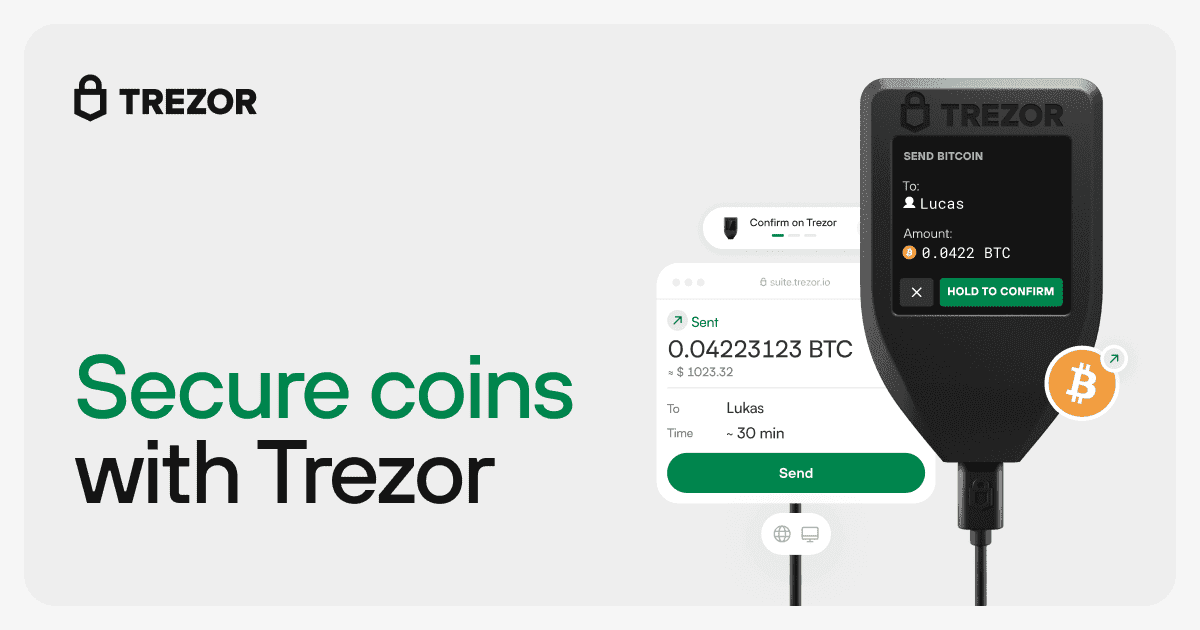
Confirm the transaction on your Trezor device. You’ll need to press a button on your Trezor to authorize the transaction. This extra step ensures that no one can send your funds without your consent.
Once confirmed, the transaction is sent, and you can track it on the blockchain.
Receiving Cryptocurrency
Open Trezor Suite or Bridge and select the wallet for the crypto you want to receive.
Click the "Receive" button to generate a new receiving address.
Share the address with the person who is sending you funds.
After the transaction is complete and confirmed, you’ll see the funds in your Trezor wallet.
Bonus Tips: Keep Your Trezor Safe
Store your recovery seed in a secure location: A safe, fireproof box is a good option. Never share your recovery seed with anyone.
Use passphrase protection: You can add an extra layer of security by using a passphrase along with your recovery seed. This makes your wallet even more secure, but make sure you remember the passphrase.
Enable two-factor authentication (2FA) for added protection on supported services like exchanges.
Final Thoughts: Your Trezor, Your Security
Now that you’ve set up your Trezor, you can rest easy knowing that your cryptocurrencies are secure. With Trezor’s user-friendly setup, it’s easy to get started with secure crypto storage. Just remember: always keep your recovery seed safe and make sure your PIN and passphrase are secure.
Whether you're holding Bitcoin, Ethereum, or other altcoins, Trezor is one of the best ways to protect your investments and keep them safe from hackers.